Now that the post-2026 JP Morgan Healthcare Conference (JPM) fog has lifted and I’ve had time to digest my notes from one of the most important industry-defining events, one thing is clear: The biotech industry has stopped holding its breath.
In fact, if i were to peg the current state of the biotech industry to a specific story arc in the original “Star Wars” trilogy, I would say that we’re squarely at the beginning of the “Return of The Jedi.” The rebel alliance has recovered from a series of punishing defeats at the hands of the Galactic Empire, healed its wounds, and is now resetting right before reaching the story’s climax (in case the pop cultural reference doesn’t resonate, biotech is in the “return” phase of a hero’s journey).
To better contextualize the present state, we must briefly reflect upon the past. The last few years saw the biotech and pharma industries being hammered by numerous challenges, including high interest rates, macroeconomic uncertainty, and unprecedented changes coming from the Trump administration.
Then 2025 became a key inflection point for everyone. During an Endpoints News JPM 2026 panel, Roel van den Akker, principal and U.S. pharmaceutical and life sciences deals leader at PwC US, described 2025 as “a tale of two halves,” in which biotech was plagued by policy uncertainty early on, but surged in the back half with an uptick in mergers and acquisitions (M&As) and dealmaking, signaling a potential return in 2026. Even within the first few weeks of this year, there were encouraging signals, including Eli Lilly’s $1.2 billion acquisition of Ventyx Biosciences, the launch of Aktis Oncology’s initial public offering (IPO), and Mirador Therapeutics’ $250 million Series B round on the eve of JPM 2026, to name a few.
The positive momentum being built had many people, including myself, thinking that JPM 2026 was going to open with additional large M&A and dealmaking news that would set the tone for the year. However, the deal flow coming out of JPM 2026, although respectable, was not on the level many were expecting. That said, there were a few JPM announcements worth noting:
- Novartis paid SciNeuro Pharmaceuticals $165 million upfront (up to $1.5 billion in biobucks) to tap its next-generation drugs to treat Alzheimer’s disease
- Lilly and Nvidia signed a $1 billion partnership to build an artificial intelligence (AI) lab in the Bay Area
- AbbVie paid China-based RemeGen $650 million for its PD-1xVEGF bispecific for advanced solid tumors
- Pretzel Therapeutics bought Rome Therapeutics for an undisclosed amount
- Novartis paid China-based Zonsen PepLib Biotech $50 million upfront for its radiopharmaceutical drug
Although JPM 2026 didn’t bring the big M&A announcement or headline deal for which a lot of people were hoping, the quiet stage shouldn’t fool anyone into thinking it’s going to be a slow year.
If anything, the real action was happening offstage. The hallways, coffee lines, and random side conversations were buzzing, and the panels and presentations I sat in on gave a solid sense of where things are headed. Here are the most consistent themes and insights that kept coming up from talks with executives, journalists, investors, and other attendees all week.
“A new hope” for biotech M&As and IPOs in 2026
At JPM 2026, there was an overwhelming consensus among investors, executives, and industry thought leaders that the current monetary environment is in favor of deals and M&As in 2026. Virtually every presentation, speaker panel, and fireside chat pushed this messaging.
This is largely due to a few reasons: First, interest rates for capital deployment in biotech are no longer at their recent peak, as the Federal Reserve began cutting rates in the latter half of 2025, which has started to ease financing conditions. However, the cost of capital remains a significant factor, and the overall funding environment is still more challenging than during the pandemic-era boom. Second, the impending patent cliffs for key drugs mean pharma companies have to refill their drug pipelines to keep the revenue stream going. And third, innovation from many biotechs is now ripe for acquisition.
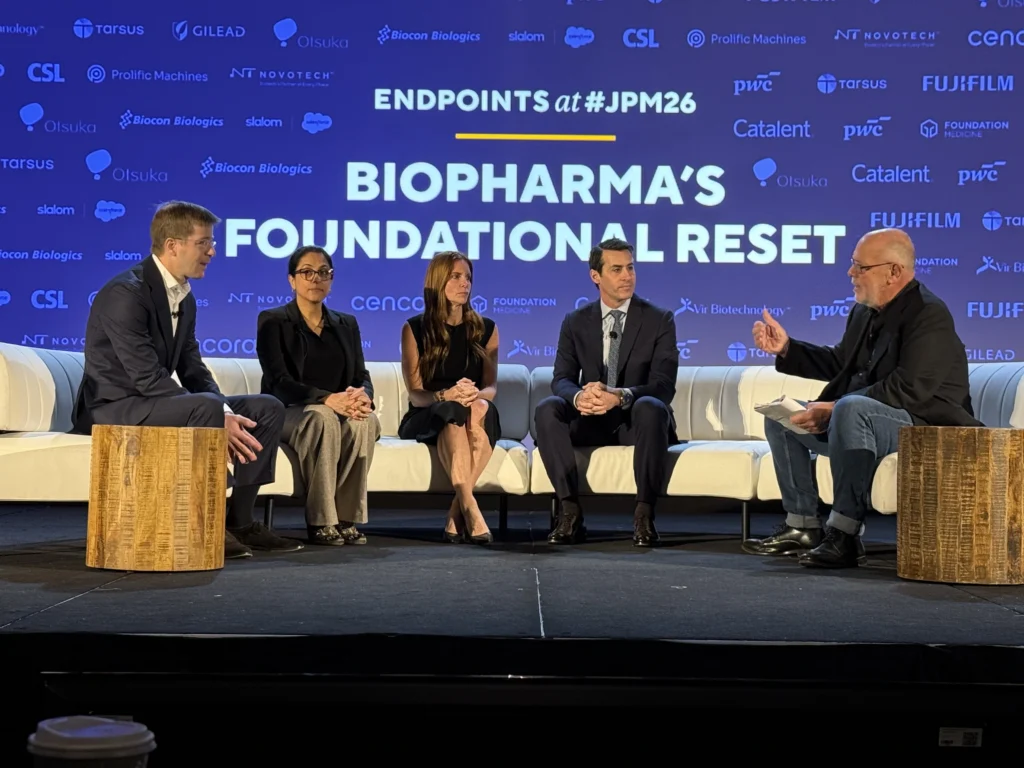
“There's some fundamental reasons to be optimistic, to be positive,” Akker said. “Generally, the pace of innovation in our sector is fantastic. There's really interesting things being done through the clinic that … have people really excited. The capital markets setup is fairly positive.”
Although M&As dominated the conversation at JPM 2026, the outlook for IPOs was surprisingly upbeat, with signs that the public market window is starting to reopen. Experts agreed, however, that IPOs are evolving. Smaller Phase 1 companies are unlikely to go public, preferring private funding or partnerships. Overall, expect fewer blockbuster IPOs and a more selective environment focused on later-stage assets with stronger data and clearer commercial paths.
“Quality companies and good companies are starting to see an opening to go public, and I think that is healthy, that’s good for the ecosystem, that’s good for everybody,” said Amgen’s Rachna Hosla, SVP and head of business development at Amgen, during an Endpoints News panel discussion. “What I don’t see is the frenzy happening, where … the floodgates are opening and every company is going to be able to go public.”
On the mega merger front, many thought leaders weighed the prospects for massive acquisitions in the multi-billion dollar range, this year. The prevailing view is that such giant transactions are falling out of favor, even amid a more relaxed regulatory landscape.
Eric Tokat, co-president of Centerview Partners and a prolific dealmaker, explained the current mindset among pharma companies during an Endpoints session: “Big mergers, particularly the big pharma mergers, aren’t generally done for top line growth, but [are] done for scale and synergies, and significant capacity enhancements. So we don’t know whether that will happen or not. But it’ll have significant synergies if that does come. On the other hand, the biotech ecosystem is very robust with incredible innovation, and a lot of growth opportunities exist.”
I did hear a hot take from a journalist with whom I spoke, who expressed “cautious pessimism” about dealmaking in 2026, despite a more favorable funding environment. The reason is that while capital will flow to great companies, it will also inevitably go to terrible ones as well.
Trump’s “I am altering the deal … pray I don’t alter it any further,” moment in biotech
It’s been almost a full year since Donald Trump was inaugurated as President of the United States, which has afforded thought leaders an opportunity to reflect not only on his presidency, but also on his impact (both good and bad) on the biotech industry.
Overall, conversations on the Trump administration were once again a mixed bag at JPM 2026. It’s clear that the administration’s deregulatory bent has boosted CEO confidence, making 2026 ripe for larger deals and injecting speed that could bring therapies faster to patients. Some large pharma, in particular, have appreciated the straightforwardness of interactions with the administration that slashed red tape and accelerated transactions versus dealing with the typical Washington murk.
Mike Doustdar, president & CEO of Novo Nordisk A/S, captured this best at the Endpoints session: “It has been quite easy to stick to this administration, because when you typically think about Washington, you think about politics, hidden agendas, and nothing is straightforward because the two sides don’t know exactly where they stand. Our experience with the Trump administration has been the exact opposite. Straight talking. Where that side comes across very directly, explains to you what they need and what happens when they don’t get what they want.”
As a result of these conversations with the administration and Trump’s broader push to revitalize U.S. manufacturing, and to avoid tariff pressures, multiple major pharmaceutical companies have announced significant R&D investments and new manufacturing plants in the U.S. over the past year. This includes commitments from Pfizer, Eli Lilly, Johnson & Johnson, GSK, AstraZeneca, Merck, Novartis, Roche, Sanofi, and Gilead, among others.

However, lingering frustrations with the Trump administration were palpable among some JPM 2026 attendees. The constant policy flux and regulatory gaps emanating from the White House continue to unsettle an industry that thrives on long-term stability and thoughtfully designed regulations.
For instance, in the realm of rare disease drug development, the administration earned widespread praise for spotlighting this critical area. However, the cancellation of the once-popular priority review voucher program — a government-issued “coupon” awarded to drug companies for creating treatments for rare childhood diseases, which can be redeemed for expedited U.S. Food and Drug Administration (FDA) review or sold to another firm for millions — has sparked bipartisan criticism. This incentive aims to encourage innovation for small patient populations with hard-to-treat conditions. Yet, it remains a point of contention.
Additionally, former FDA regulators have sharply criticized the instability disrupting drug review processes, igniting heated and passionate discussions. The ongoing staff turnover at the agency further heightens concerns about potential delays in drug submission reviews, though the extent of these delays can vary based on the type of submission involved.
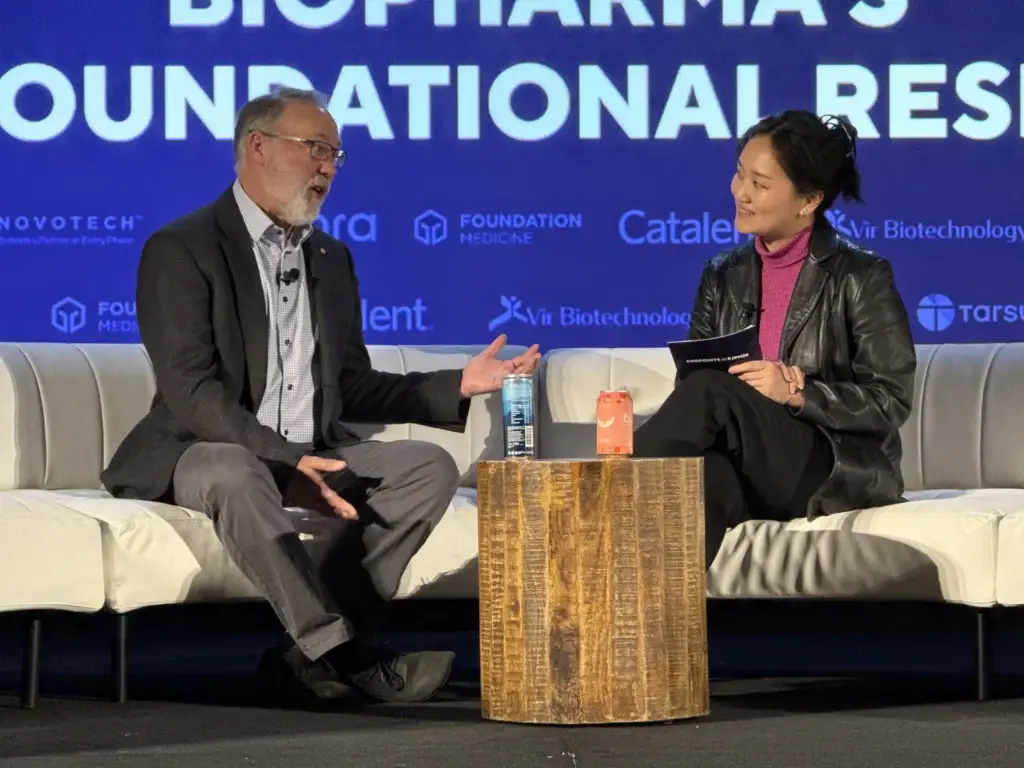
Finally, addressing the topic of science skepticism in the United States, Fred Ramsdell — the latest Nobel Prize laureate — emphasized the importance of educating and engaging the broader public. Channeling a Yoda-like wisdom during a fireside chat at the Endpoints session, Ramsdell stated: “We need to be much better at communicating to non-scientists, people who don’t have the same background and don’t think about the world the same way that we do. And the other part of that is to listen to what the concerns are, and when there are misunderstandings and mistruths, we need to be able to effectively communicate around those. Digging heels in and telling people they’re wrong is usually not an effective way to communicate.”
Help me, China, you’re my only hope
Over the past few years, the rapid ascent of China’s biotech ecosystem sparked genuine alarm among U.S. companies, fueling a widespread narrative about eroding American competitiveness and growing dependence on China for critical medicines and clinical data.
At JPM 2026, however, the conversation around China had shifted noticeably. The age-old adage, “If you can’t beat ’em, join ’em,” seemed to capture the emerging mood.
Several years on from China’s meteoric ascent, the initial wave of fear among U.S. biotech leaders has noticeably subsided. The tone of urgency and panic has given way to more nuanced, pragmatic discussions, signaling a maturing perspective on global competition in the life sciences.
This shift stems from firsthand experience, in which U.S. companies have had the opportunity over the past few years to “kick the tires” on Chinese biotech firms, conduct thorough due diligence on the underlying science, and rigorously evaluate the validity and viability of emerging technologies originating from China. As a result, we’re seeing greater openness among U.S. biotechs to the prospect of partnering, licensing, or even venturing into China for collaboration and innovation.
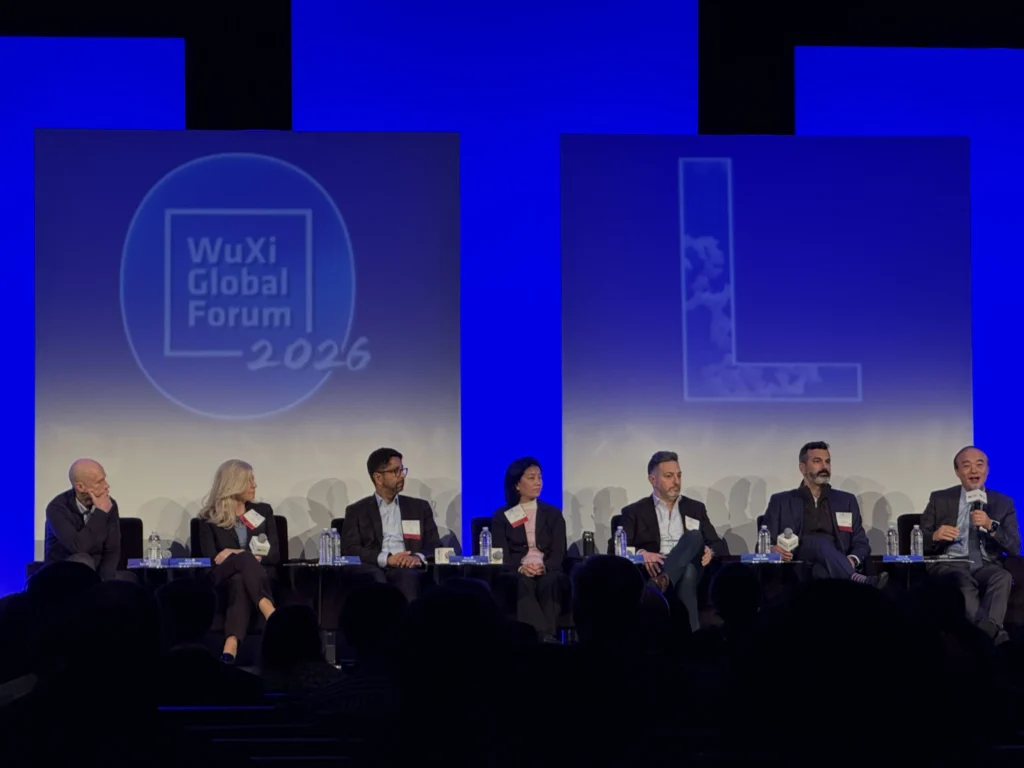
Today, virtually every major global pharmaceutical company has established partnerships with Chinese biotech firms or is actively conducting clinical trials in China, particularly for early-stage access to promising assets. As Tokat noted, more than 50% of business development activity in key therapeutic areas is now sourced from China, underscoring the country’s pivotal role in replenishing Western pipelines.
And the interest in China is well justified from a science perspective. China is now developing a ton of assets with huge upside potential. “Innovation has now truly gone global,” as one investor remarked during the WuXi’s Global Forum event at JPM 2026
The key question on everyone’s mind at JPM 2026 was: What exactly is enabling China’s biotech industry to rise so rapidly while executing science, particularly clinical development, with far greater efficiency? A striking example often cited is that dose escalation in Phase 1 oncology trials can take roughly half the time in China compared with the U.S.
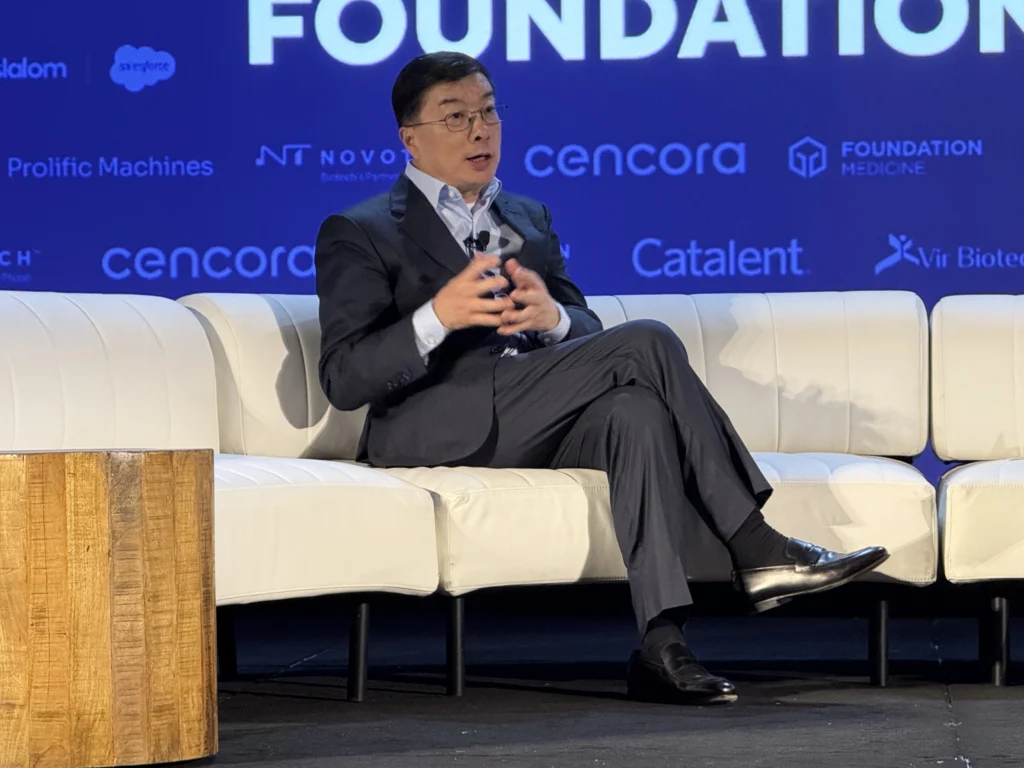
According to Frank Jiang, EVP at China’s largest pharmaceutical company Jiangsu Hengrui Pharmaceuticals, the country’s dramatic rise in biotech stems from a powerful combination of structural, infrastructural, and cultural factors.
At the top level, a strong “top-down” macroenvironment has been pivotal, in which the Chinese government actively promotes clinical trials and the adoption of global standards, creating a supportive policy framework for innovation.
On the operational side, China now boasts a scaled, end-to-end infrastructure. The sheer volume of patients, coupled with a rapidly expanding network of hospital sites equipped and ready for Good Clinical Practice (GCP)-compliant trials, represents a major leap forward from just five to 10 years ago. Add to that a growing pool of highly motivated principal investigators eager to advance the science, and a cohort of CROs that have matured significantly after years of rigorous training and real-world execution.
Culturally, Jiang highlighted a distinctly focused and competitive mindset within China’s biotech sector. Intense domestic competition has compelled companies to operate with exceptional efficiency, thereby creating an environment in which speed, discipline, and effectiveness are not just advantages, but also necessities for survival and success.
However, the conversations around China weren’t all rosy. U.S. players are eyeing the country’s rise as a wake-up call to amp up efficiency and regulatory agility. For better or worse, the pressure is forcing the U.S. industry to innovate more intelligently while fiercely protecting its own strategic advantages in discovery, clinical development, and commercialization.
To add a fresh angle to the China discussion: I did hear one under-the-radar perspective that didn’t surface much in the main JPM 2026 sessions. In a private conversation, a biotech CEO pointed out to me an emerging counter-trend: A growing number of early-stage Chinese companies are quietly beginning to migrate key operations — or even relocate entirely — to the United States. The primary driver? Escaping the tightening regulatory restrictions, funding uncertainties, and operational headwinds increasingly imposed by China’s own government.
These aren’t the AI wins you’re looking for
It’s safe to say, based on the presentations and panel discussions at JPM 2026, that AI is firmly entrenched in biotech and here to stay. What’s changed is the industry’s collective sobriety. After years of sky-high expectations, everyone is now grappling with the practical realities of the technology, and separating genuine hype from what’s actually deliverable for businesses.
This year’s conversations were markedly more tempered than in prior cycles. The focus moved away from promises of revolutionary, game-changing disruption toward realistic, incremental improvements. Speakers and panelists repeatedly stressed that even low to modest gains from AI (such as lowering clinical failure rates from 80% to 70%) would deliver enormous value for patients, companies, and the healthcare system as a whole.
Strikingly absent were the once-common bold assertions that generative AI would soon single-handedly revolutionize early drug discovery by routinely designing entirely novel molecules in days, work that traditionally takes skilled medicinal chemists years of careful iteration. The prevailing view is that AI continues to face significant limitations when it comes to generating outsized impact at the preclinical discovery stage.
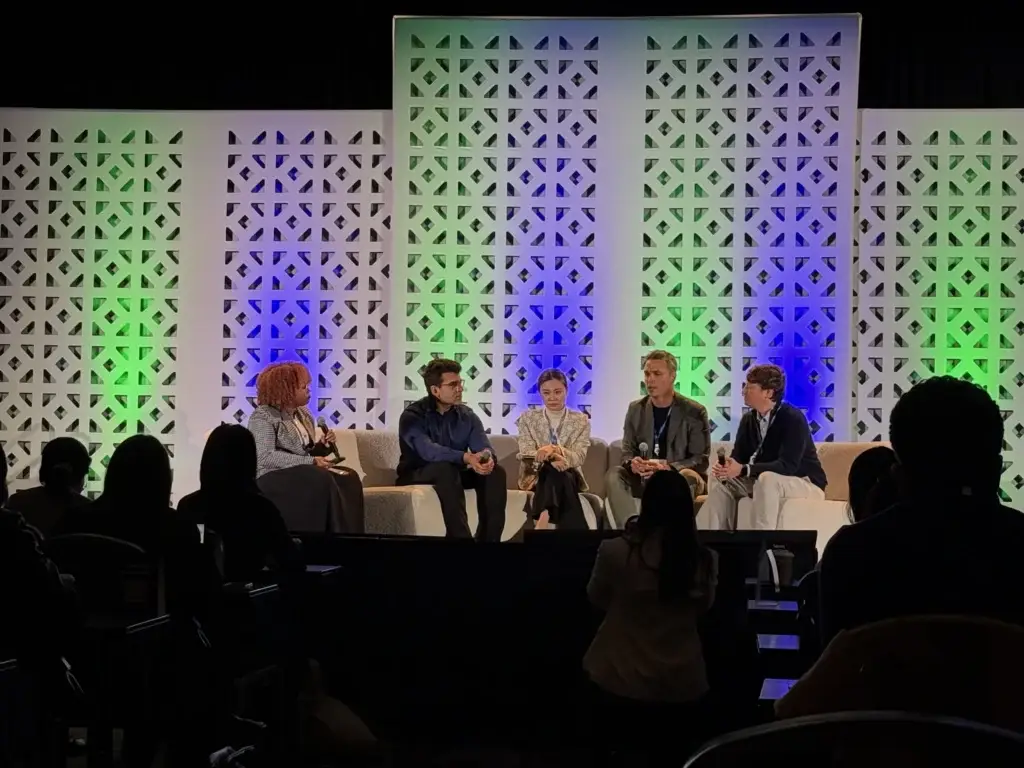
This grounded perspective was perhaps best captured by Amir Shanehsazzadeh, Absci’s chief AI officer, during a session at the event’s GenScript BioTech Global Forum. In blunt fashion, Shanehsazzadeh summed it up: “AI is overhyped for preclinical drug development.”
The most provocative (and for some, unsettling) discussion at JPM 2026 centered on AI’s implications for the workforce. Far beyond technical capabilities, the conversation turned to how AI will fundamentally redefine employee roles, challenge traditional notions of job security, and reshape the future structure of companies themselves.
Brent Saunders, CEO of Bausch+Lomb, described AI as actively reshaping the social contract between employers and employees. He argued that the technology will accelerate the elimination of repetitive, rote tasks while elevating the importance of human judgment, creativity, and strategic thinking. The result is a workforce that must upskill rapidly to focus on higher-value contributions.
On the question of job security, Vijay Pande of venture firm VZVC delivered one of the session’s bluntest takes during an Endpoints News panel discussion. “You can argue that the greatest job security is the company that you own,” which underscores a growing view that entrepreneurial ownership, rather than employment stability, may become the most reliable path forward in an AI-driven economy.
On a side note, I had an insightful off-the-cuff conversation over breakfast with someone from Slalom who offered a clear macro perspective on AI’s trajectory across industries. While not believing we’re in a classic AI bubble, this person pointed out that proving meaningful return on investment (ROI) from AI deployments on an enterprise level has proven surprisingly difficult for most organizations. Therefore, the next pivotal question facing leaders is straightforward and urgent: “Where are we actually going to see real, measurable value and ROI from AI?”
Never tell me the odds of “N-of-1” CRISPR therapies defying the impossible in ultra-rare diseases
The Baby KJ story captured global attention in 2025, in which KJ Muldoon became the world’s first patient to receive a fully personalized “N-of-1” CRISPR gene-editing therapy. This was a bespoke treatment that corrected his ultra-rare, life-threatening genetic disease shortly after birth.
Now, the field of truly individualized N-of-1 CRISPR therapies stands at a pivotal “do or do not” moment. At the event’s Innovation @Penn program, Jim Wilson, emeritus professor of medicine at The University of Pennsylvania and world-renowned gene therapy pioneer, said it plainly: “Over the last few years, the genetic medicine potential has blown up, and it’s not fitting the majority of what we can develop and finance through the pharmaceutical industry. This is an enormous opportunity, but it’s [also] an enormous challenge, and we have to think about different models.”
Wilson, a longtime champion of rare diseases (the rarer, the better, he says), has watched the field stall. A few years ago, investors and big pharma pulled back when one-and-done treatments for tiny patient populations didn’t fit the usual revenue formulas, which he calls the “Great Abandonment.” Out of roughly 10,000 rare diseases, only a small fraction meet the threshold for standard commercial investment. The rest are all left hanging with no treatment options.
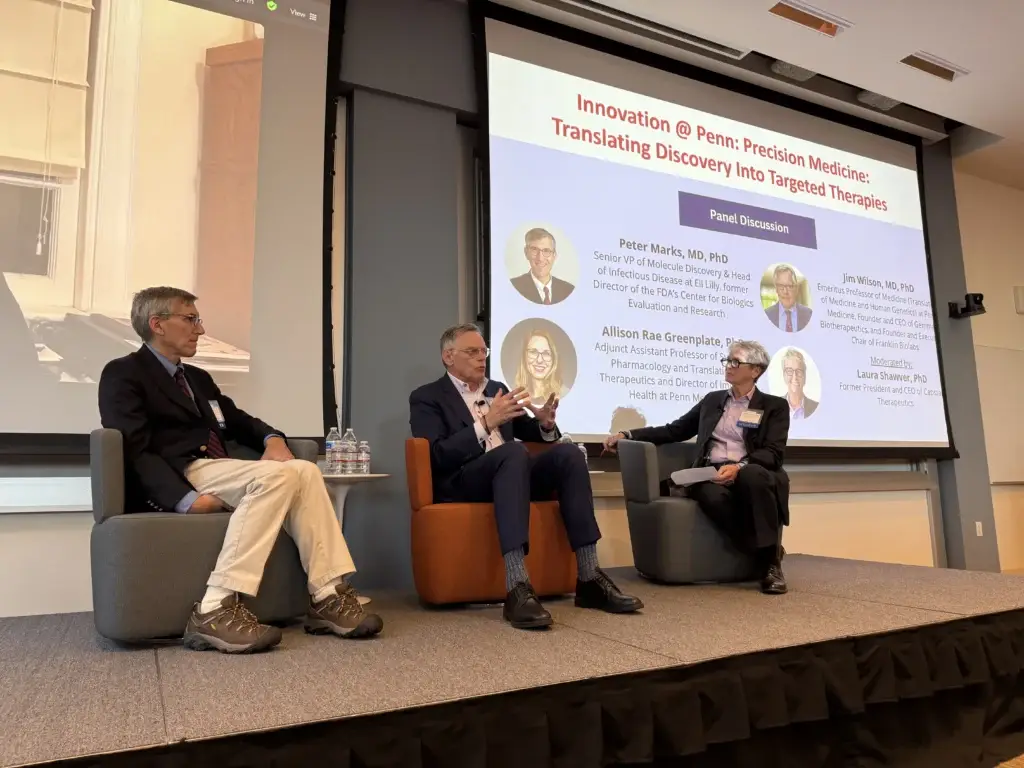
That’s why Wilson laid the groundwork by emphasizing platforms as the key bridge. Instead of developing one-off products, you build a reusable platform in which you simply tweak the gene or guide RNA for each new disease. This approach leverages CRISPR’s inherent modularity to deliver cost-effective therapies with a higher probability of success, thereby sidestepping the traditional pharma model that breaks down when patient populations are too small to support conventional economics.
“So you put that together with diseases in which it’s relatively easy with current technology to show a difference. There is an opportunity there, but the key is scale,” Wilson said. “You’ve got to scale it so the aggregate of the market opportunities is sufficient to justify the investment. And I am absolutely confident that’s what we’re going to be seeing in 2026 as we and others start to see this opportunity.”
Peter Marks, former director of the FDA’s Center for Biologics Evaluation and Research, also sees this as a roadmap for scalability. In addition to platforms, Marks strongly advocates shifting to process-based approvals rather than product-by-product reviews.
The idea is straightforward: Once a reproducible manufacturing and testing process is qualified — especially for modular technologies such as CRISPR-base editing or mRNA — you shouldn’t have to restart the full regulatory gauntlet (exhaustive investigational new drug applications, biologic license applications, non-human primate studies) for every new patient or slight variation. These legacy requirements act like what Marks calls “tollbooths in the desert,” a colorful nod to the Mel Brooks film “Blazing Saddles,” in which the characters build a pointless tollbooth in the middle of nowhere and demand nickels just to slow everyone down.
Marks noted recent FDA moves, such as relaxed requirements for qualification lots in rare-disease manufacturing, as steps in the right direction. If drug developers can balance the fear of rare risks against the certainty of doing nothing, they can open the door for dozens or hundreds of kids without going bankrupt.
“If you can show this really works well, and there are five or ten processes that can treat 1,000 Baby KJs, you can get CMS to say, ‘Ok, well, each one of these costs $200,000 to $300,000.’ Cheapen the price because, otherwise, institutionalizing a child for five years costs a fortune,” Marks said during the event’s Innovation @Penn program.
Closing thoughts
Wrapping up JPM 2026, it’s clear the biotech sector is emerging from its trials stronger, much like the rebels in “Return of the Jedi” who are battle-tested and poised for a climactic push forward. At HDMZ, we’re excited to partner with clients navigating this landscape and turning these trends into stories that resonate and drive progress.
On a totally random note, it was great to finally see my two passions of biotech and mixed martial arts (MMA) collide at Union Square during JPM 2026.
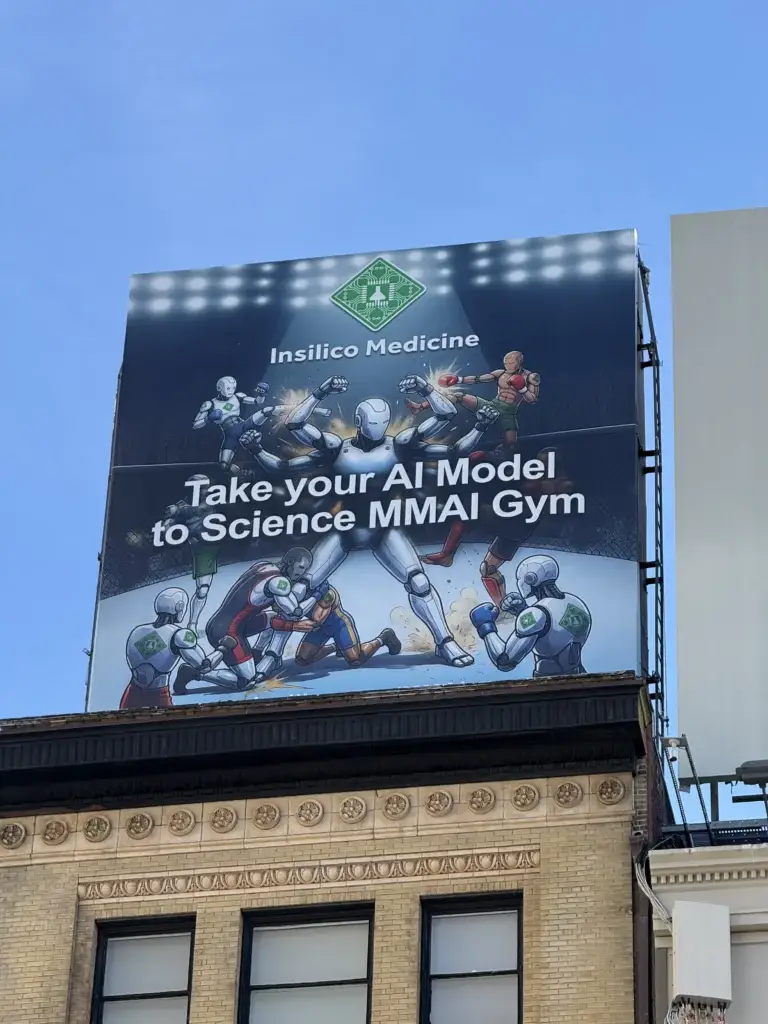
Impressive. Most Impressive.
Which begs the question, why aren’t there more tie-ins between life science marketing and MMA? The similarities between the two worlds are endless: clinical trials as fight camps and bouts, diseases as opponents, the lab as the ring and/or Octagon, evolutionary biology as fighting style evolution, and regulatory bodies as referees, and the list goes on.
Anyways, 2026 promises to be a pivotal year. Will biotech fully roar back? Or will momentum build more gradually? Stay tuned by following HDMZ’s blog and subscribing to our newsletter for ongoing insights as these trends unfold, because who knows what’s in store for our industry.
As Yoda wisely put it, “Always in motion the future is.”