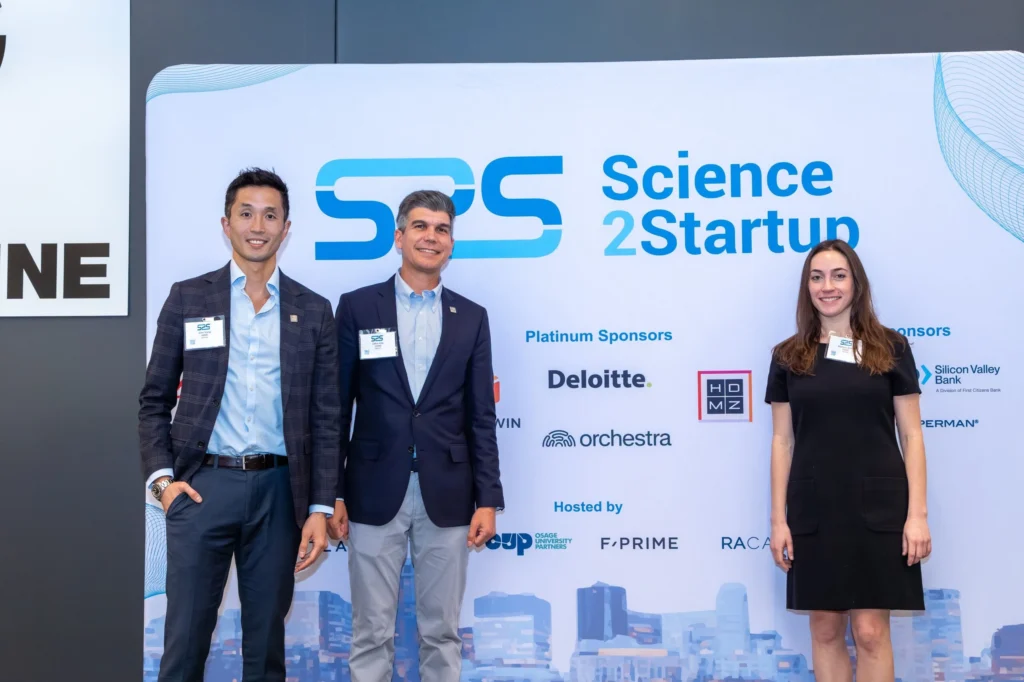
Last week, our team headed back to Cambridge for Science2Startup (S2S) 2026 (with some fortuitous, quick drop-ins at the PEGS and ASGCT conferences nearby). As scientists by training, being surrounded by the absolute cutting edge of biotech innovation is always an inspiring reminder of why we do what we do. But this year’s S2S felt especially meaningful. Beyond HDMZ proudly co-sponsoring the symposium, several members of our team had the privilege of rolling up our sleeves to mentor some of the presenting startups, working 1-on-1 with these exceptional founders to refine their strategic messaging.
If you aren’t familiar with Science2Startup, it’s an annual symposium co-organized by top-tier biotech venture groups like Atlas Venture, F-Prime Capital, 5AM Ventures, RA Capital Management, and Osage University Partners. Essentially, it acts as a translation layer for innovation, bringing the most promising startup ideas out of global academic research institutions and placing them right in front of leading VCs, pharma scouts, and biotech executives in the Boston hub. It’s a space explicitly built to help world-class investigators turn great science into viable companies.
Watching these founders present was an exceptional experience. Yet, as the sessions progressed, a very familiar, deeply human challenge kept popping up across the board: The science is groundbreaking, but how do we get the right stakeholders to look past dense technical data and truly “get it”?
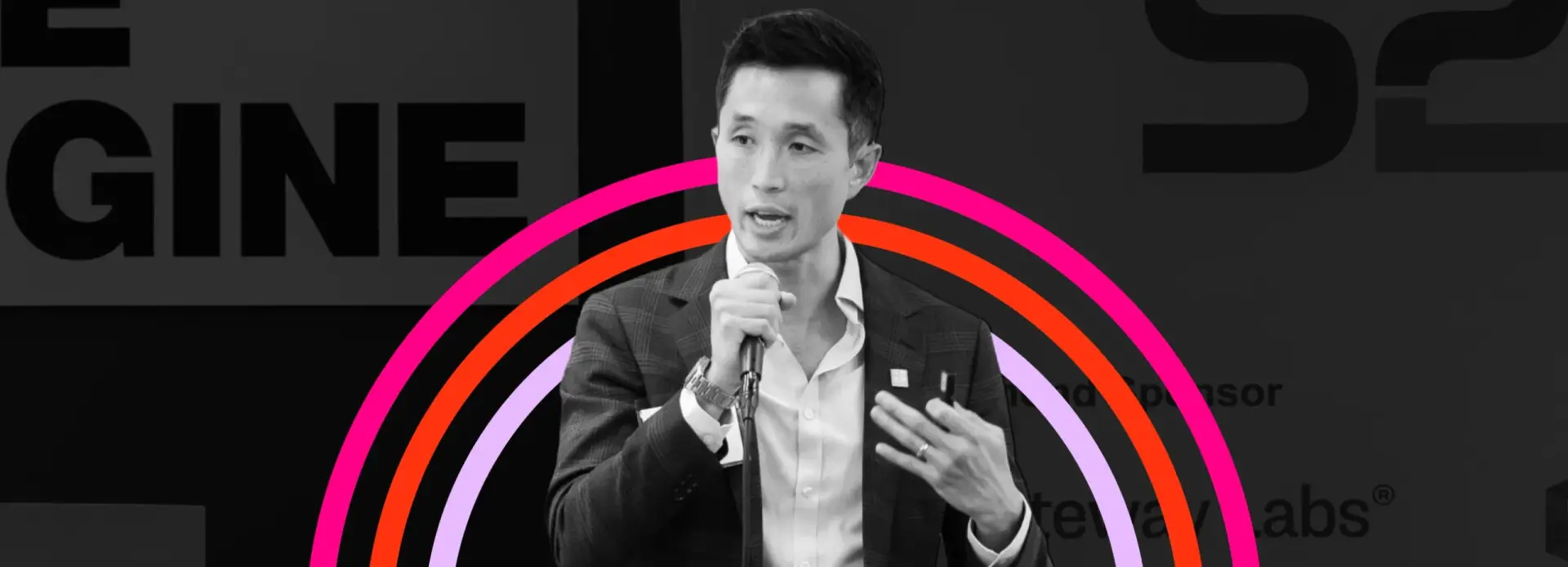
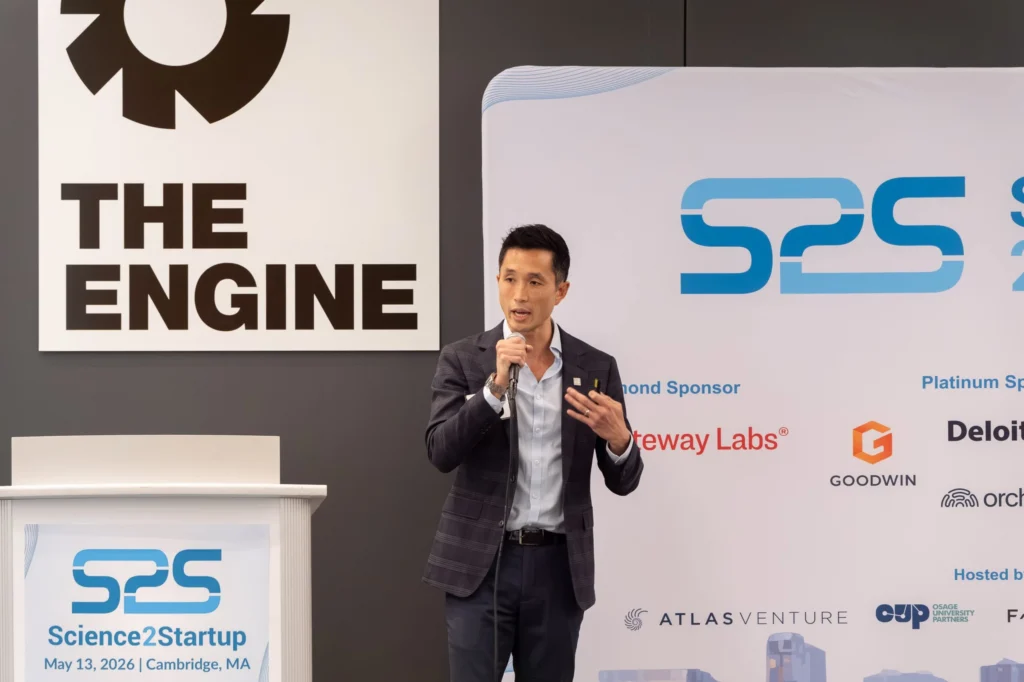
John addressed this head-on during his presentation on the three foundational PR rules for biotech startups. Industry veterans Vicki Sato and Kevin Bitterman also held a fantastic fireside chat that pulled back the curtain on what actually makes venture capitalists sit up and pay attention to an early-stage pitch.
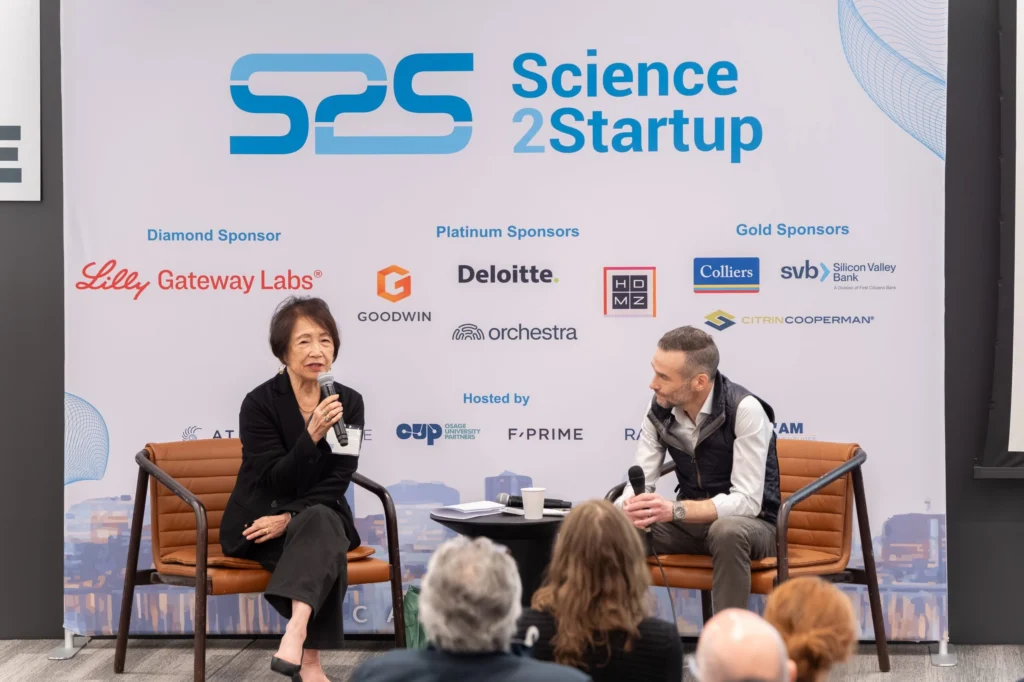
Listening to both sessions—and working directly with the founders in the trenches during our mentoring sessions—revealed a striking pattern. At first glance, venture capitalists and healthcare journalists look like entirely different audiences with wildly different goals. But if you look at the underlying psychology of how you engage them, the mechanics are remarkably parallel—even though the substance of the story you tell them diverges.
For pre-seed and early-stage biotechs, learning how to speak both languages simultaneously is a vital marketing skill. Here is how early-stage brands can navigate the intersections and divergences of pitching VCs and the press.
The Parallels: How We Engage
When it comes to the administrative reality of trying to reach a venture capitalist or a biotech/healthcare reporter, the playing fields are quite similar. Both audiences are hyper-selective, fiercely protective of their schedules, and buried under an avalanche of daily inbound noise. Because of this, your rules of engagement are largely the same:
- Mass Blasts Are Dead on Arrival – The era of the “spray-and-pray” journalist pitches or cookie-cutter VC email blasts is long gone. VCs explicitly look for highly personalized, thoughtful outreach when deciding whether a startup is worth an initial conversation. Note their other portfolio companies or recent ideas they’ve shared. Journalists demand the exact same courtesy. If you haven’t taken the time to study a writer’s specific beat, interests, and past coverage, your pitch is headed straight to the trash.
- Relationships Trump Transactions – Neither investors nor reporters want to be treated like transactional mouthpieces. VCs heavily favor meeting founders face-to-face to cultivate genuine human rapport, and journalists similarly crave personalized connection and offers to catch up in person. We have to shift our mindset away from “What can this person do for me?” and move toward “How can I genuinely help them solve a problem or tell a better story?”
- “Never Too Early” is a Metric-Backed Reality – Founders often ask us when they should start thinking about a PR and communications strategy. The gut reaction is usually to wait until a Series A raise, definitive clinical data, or a major corporate milestone. But as both the S2S venture panelists and our own PR team emphasized, the answer is actually as soon as you can have your story straight. Treating communications as a Day 1 strategic asset acts as a massive force multiplier for your business. John highlighted some eye-opening data from PitchBook, CB Insights, and Silicon Valley Bank that proves it:
- 68% of Series A investment decisions are actively influenced by a founder or company’s existing media footprint.
- Biotech companies that build an early media presence raise capital 2.3x faster.
- Companies that lay the groundwork with strategic announcements just 3 to 4 months before a fundraise experience 40% higher investor interest.
The Divergences: What We Say
While the methods of reaching these groups mirror each other, the substance of your message must split. During the fireside chat, Vicki Sato dropped a line that perfectly encapsulates this divergence:
It is a profound reminder that brilliant academic science does not automatically translate into a viable commercial business or a compelling public news hook. Different audiences need to look through entirely different viewfinders to see your value.
Track 1: De-Risking the Narrative for VCs
Investors understand that early-stage startups represent the absolute boldness of what scientific imagination can achieve. However, because they are fundamentally risk-averse, your job when pitching a VC is to bridge that imagination gap and anchor them in what Kevin Bitterman eloquently termed terra firma (solid ground).
When you are communicating with specialist investors who have the background to truly grasp your vision, you need to clearly articulate your innovation across three distinct vectors:
- The biology of your target
- Your specific modality
- Your clinical development path
Claims of being “better” take a long time to prove out with hard evidence. A stellar VC pitch doesn’t just showcase the science, it communicates a clear, strategic roadmap for how you intend to de-risk, validate, and market those claims over time.
Track 2: Finding the Human Narrative Arc for the Press
Reporters don’t want a dense scientific data dump. They are accountable to editors and everyday readers who care about newsworthiness, timeliness, and broader human impact. To capture a journalist’s attention, you have to lean into empathetic storytelling and build a classic narrative arc:
- The Hook: Grab their interest instantly with a compelling problem, a stark statistic, or a core question that sets the scene and establishes the central conflict.
- The Body: This is where your data serves as the “reason to believe”. Detail exactly how your insights and evidence address the conflict and lead toward a clear resolution.
- The Close: Come full circle back to your original hook, reiterate your core scientific message, and give them a glimpse of the future direction.
Good PR Starts from the Ground Up
Every biotech founder wants to see their name on the front page of The New York Times or Forbes. But the mainstream media landscape is hyper-competitive and incredibly crowded. You are shouting into a room where thousands of other companies are yelling the exact same headline: “We have amazing therapeutics, too!”
Mainstream press requires massive activation energy and near-flawless timing. If you adopt a “top-tier or bust” mentality, you run the risk of completely stalling your startup’s momentum. Instead, look to John Kang’s third rule for biotech PR: Build a strong foundation in the trade publications first, and amplify every single win.
By consistently winning over specialized industry publications (like Endpoints News, Fierce Biotech, or STAT News), you build the sustained clinical authority and search engine footprint that eventually catches a mainstream editor’s eye.
Crucially, earned media only matters if it actually reaches the people who matter to your business. Once you land a trade piece, extend its shelf life. Turn that single article into a versatile asset across all of your channels—weave it into your investor newsletters, blast it across your social platforms, display it on a dedicated media page, and integrate it directly into your pitch decks.
A Few Final Lessons to Take Home
So, let’s recap the communication lessons we can carry forward from our mentoring sessions and discussions at S2S:
- Don’t wait for the “perfect” corporate moment to tell your story. Communication is a relationship, not a faucet you turn on exclusively when you need a check or a headline. Start early, build an intentional media footprint, and let it act as a catalyst for your upcoming fundraises.
- Speak the language your specific listener needs to hear. A VC needs to see how you intend to mitigate risk and translate your science into a robust commercial asset. A healthcare journalist needs to see the human impact, the narrative novelty, and why your discovery matters to the world outside the lab.
- Build from the ground up. A balanced PR strategy that pairs a steady stream of trade coverage with intentional channel amplification is what creates a state of sustained authority.
- Partner with professionals who natively speak your science. Your job as a founder or scientific executive is to advance your pipeline—not to spend your days babysitting a PR firm or explaining basic biology to your agency. Look for sophisticated stewards who can take the wheel seamlessly.