As we head into ADLM 2026 in Anaheim under the conference theme “Delivering value with laboratory data science,” I find myself reflecting on what “value” actually means in practice.
It’s one of those industry buzzwords to which everyone nods along. But if you ask a physician, a lab director, a CFO or an investor, you’ll likely get very different answers. For clinicians, it’s reliable, high-sensitivity data that informs better decisions. For core labs, it’s throughput and reduced errors. For academic researchers, it might be lower costs per run. Investors? Market opportunities and scalability.
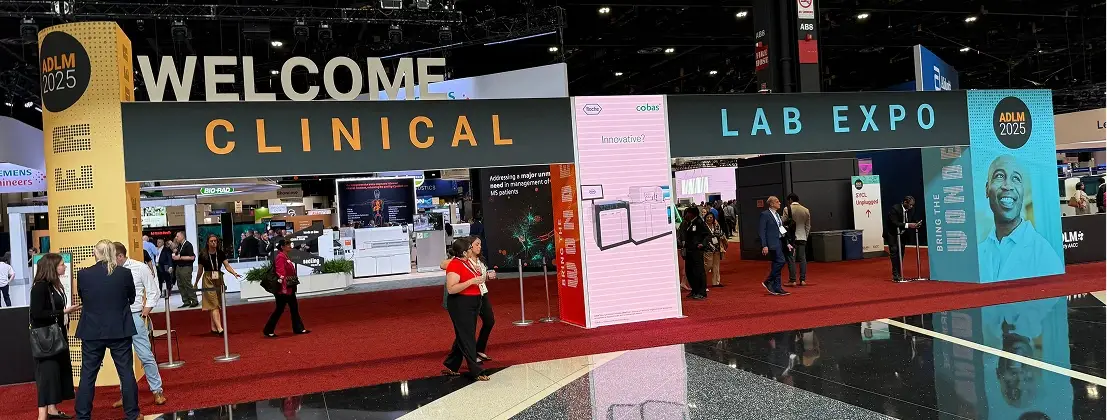
Yet, against the current backdrop of a persistent labor crisis in clinical laboratories, this pursuit of value feels increasingly complicated. I’ve been coming to these conferences long enough to see automation rise as a dominant theme (I wrote about how automation was everywhere at ADLM 2025). And I get it. The industry is under immense pressure. But I worry we’re barreling full steam ahead toward a “value paradox,” in which efforts to create efficiency through automation and artificial intelligence (AI) — born largely out of survival rather than pure innovation — risk deepening the very problems they aim to solve.
The labor crunch and cascade effect no one can ignore
The numbers tell a sobering story. Experienced laboratory technologists are retiring at rates far outpacing the output of training programs (the so-called “Silver Tsunami”). Those who remain face crushing workloads, which could lead to burnout, higher turnover and increased risk of errors in data entry and operations. It’s a vicious cycle that leaves labs chronically understaffed and stretched thin. Downstream of this labor shortfall, we see direct impacts on patient care, including delayed diagnoses, longer wait times for test results and a greater chance of diagnostic errors.
In this environment, automation isn’t a nice-to-have luxury. Instead, it’s increasingly becoming a necessity to survive. But herein lies the paradox: Implementing and maintaining sophisticated automation systems, AI-driven analytics and data science platforms requires skilled staff and dedicated time. And, unfortunately, these are resources that many labs simply don’t have right now. Transitioning to these tools often demands upfront investment in training, integration and validation that further strains existing teams. Larger, better-resourced labs (“the haves”) pull ahead, while others (“the have-nots”) risk falling further behind, thereby widening gaps across the industry.
To be clear, this isn’t a criticism of the ADLM 2026 theme or the important work happening in laboratory medicine. If anything, it’s an honest acknowledgment of the tension, especially for the smaller have-not labs. For them, automation is not about chasing groundbreaking efficiency gains, but rather about staying afloat. Ironically, that survival mindset can create a vicious feedback loop, in which the burden of implementing automation strains teams that are already operating at capacity and deepens the very shortage it was meant to solve.
Overreliance on tech without addressing the human element risks turning labs into fragmented operations in which data flows faster, but contextual expertise erodes.
The double-edged sword of automation and AI
None of this means labs should slow down on automation. For the record, I’m not anti-automation or anti-AI (far from it). And it goes without saying that these tools have enormous potential to reduce manual drudgery, improve consistency and free up skilled professionals for higher-value interpretive and consultative work. But the industry needs to navigate this carefully. Overreliance on tech without addressing the human element risks turning labs into fragmented operations in which data flows faster, but contextual expertise erodes. We’ve seen similar hype cycles play out in other sectors, in which promising revolutions deliver incremental gains at best, while creating new bottlenecks (AI-driven drug discovery, anyone?).
At ADLM 2026, expect plenty of conversations around next-gen automation, integrated data platforms and AI applications in diagnostics. The question is whether we’re framing these discussions around sustainable value or just the latest shiny systems.
Charting a better path forward
So how do we break the value paradox for clinical labs? There aren’t easy answers. But, from my perspective, there are a few tangible principles worth exploring to address this dilemma.
At the heart of it is human-centered design for automation. We need solutions that truly augment laboratory staff rather than replace them outright. The most effective tools are those that take over repetitive, tedious tasks, while surfacing meaningful insights for technologists and pathologists to interpret and act on. This approach keeps the human element front and center (where it belongs), thereby allowing skilled professionals to focus on exercising judgment and delivering value to patient care.
In other words, it enables laboratory staff to do what they do best.
Equally important is a commitment to targeted upskilling and the creation of hybrid roles. We have to invest seriously in training existing lab professionals in areas such as data literacy, AI oversight and system management. Partnerships with academic institutions and forward-thinking vendors can help accelerate these efforts, which give laboratory teams the confidence and capabilities they need to thrive in a more automated environment.
Implementation should be phased and pragmatic. Instead of attempting wholesale overhauls that risk disruption, it makes sense to start with the highest-pain-point areas (things such as sample handling or routine analytics). Pilot programs that deliver quick, visible wins can generate internal buy-in, demonstrate real impact and ultimately free up bandwidth for more complex challenges down the line.
None of this has to happen in isolation. Labs can benefit enormously from collaborative ecosystems, leaning on stronger vendor partnerships, shared data consortia (with the right governance in place), and opportunities for cross-institutional learning. By distributing the burden and pooling knowledge, we can move faster and more responsibly than if every organization tried to figure it out alone.
Finally, we need to redefine our metrics beyond simple throughput. True value should be measured holistically (e.g., staff retention, error reduction, clinician satisfaction and long-term adaptability), not just tests per hour.
The good news is that most, if not all, of the things I previously listed aren’t theoretical ideals. The labs and companies that get this balance right will set themselves apart not only through their technology, but also through the thoughtful, responsible way they deploy it.
Labs can benefit enormously from collaborative ecosystems, leaning on stronger vendor partnerships, shared data consortia (with the right governance in place), and opportunities for cross-institutional learning.
Communicating your value at ADLM 2026
For companies attending ADLM — whether IVD innovators, automation providers, data science firms or service partners — this value paradox creates both challenges and opportunities. In a crowded exhibit hall full of demos and buzzwords, how do you stand out as a partner that truly understands the pressures labs face?
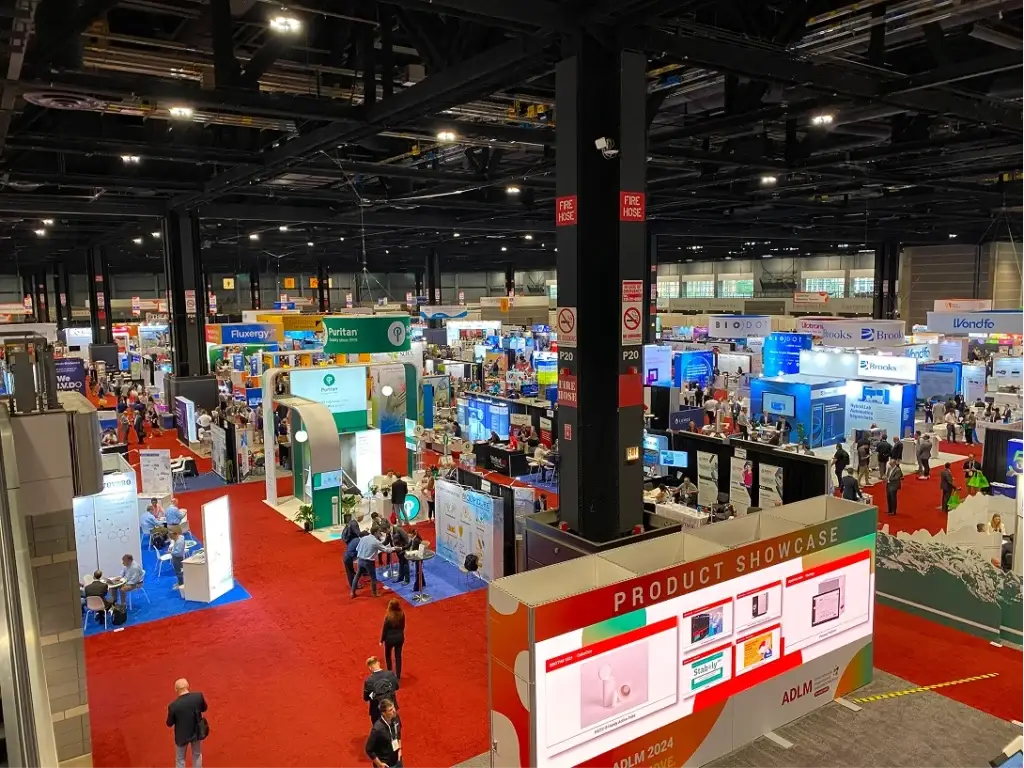
This is where strategic communications come in. It’s just not enough to tout fancy features these days. In case you’re curious, here are HDMZ’s quick pointers for ADLM attendees:
- Tell stories rooted in reality by sharing case studies that address labor pain points head-on (e.g., how your solution reduced burnout, enabled existing staff to focus on complex cases or delivered measurable ROI without massive upfront disruption). This builds trust with stressed decision-makers
- Speak in the language of value (the right kind) by framing your messaging around sustainable impact, partnership and navigating the paradox together. Avoid overpromising revolutionary overnight transformations.
- Leverage the conference strategically by participating in panels, satellite events and one-on-one meetings to engage in these honest conversations. PR amplification — including targeted media outreach, thought leadership and follow-up content — helps extend your reach beyond the Anaheim convention center.
Closing thoughts
ADLM 2026’s focus on delivering value through laboratory data science is timely and important. But true value won’t come from technology in isolation. It will come from thoughtfully addressing the human realities of the lab workforce, while harnessing automation and AI as true enablers.
The HDMZ team looks forward to these tough conversations in Anaheim. If you’re wrestling with these issues or thinking about how to communicate your solutions more effectively, let’s connect at the conference (or beyond). The labs doing the most important work deserve partners who understand the full picture. At HDMZ, we’ve helped life science clients craft narratives that resonate in tough operating environments and turn conference visibility into meaningful business conversations.
What are your thoughts on the value paradox? I’d love to hear perspectives from the front lines. So, please feel free to reach out to me directly.